


When you step onto the mat, the last thing you want to worry about is a restrictive waistband, sheer leggings, or a heavy, sweat-soaked top dragging you down during your final vinyasa. Designing or choosing the perfect yoga apparel requires a deep understanding of textile science, as the garments must act as a second skin that seamlessly moves, stretches, and breathes with the human body.
Whether you are an activewear designer sourcing premium textiles for your next athletic collection or a yoga enthusiast looking to upgrade your practice wardrobe, understanding the foundational fabrics of modern athletic wear is absolutely essential. Let’s dive deep into the textile industry and answer the ultimate question: what are the 6 best materials for yoga clothes that guarantee both peak performance and luxurious comfort?
The Core Requirements of Yoga Fabrics
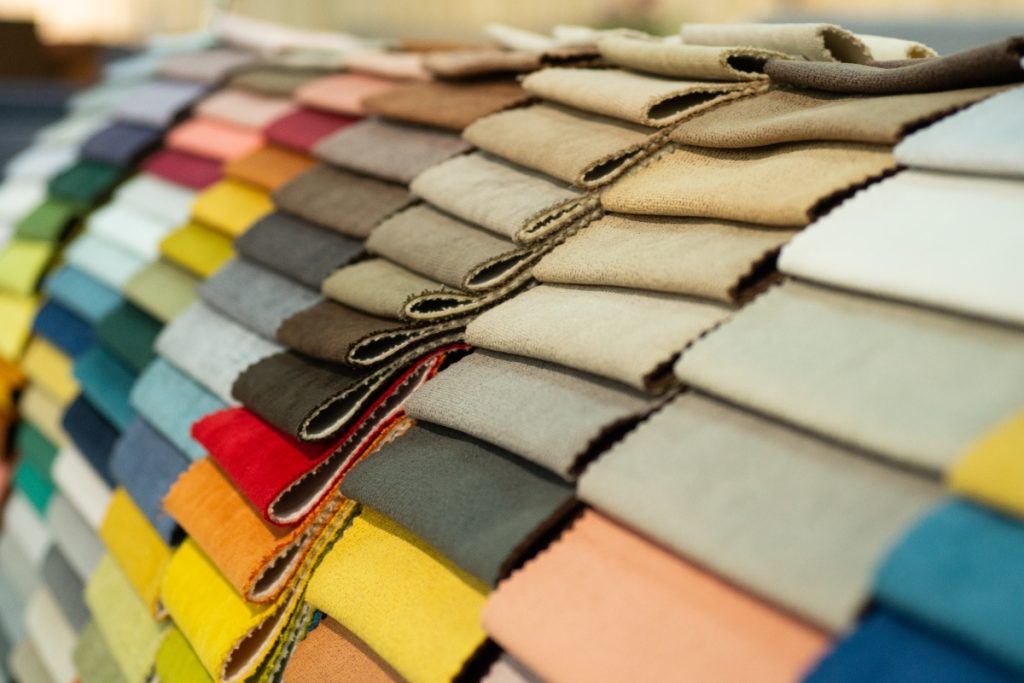
Before delving into the specific materials, it is vital to understand the structural demands placed on yoga clothing. Unlike standard streetwear, activewear must perform under physical duress. The ideal yoga fabric must possess three primary characteristics:
- Four-Way Stretch and Recovery: The fabric must stretch both crosswise and lengthwise to accommodate extreme bending and twisting without losing its original shape over time.
- Moisture-Wicking Capabilities: As the body sweats, the fabric should draw moisture away from the skin and push it to the outer surface of the garment where it can rapidly evaporate.
- Opacity and Density: Nobody wants their leggings to turn see-through during a downward-facing dog. Fabrics must have the right density—often measured in Grams per Square Meter (GSM)—to remain entirely opaque even when stretched to their maximum capacity.
With these parameters in mind, here are the best materials utilized in the activewear market today.
6 Best Materials for Yoga Clothes
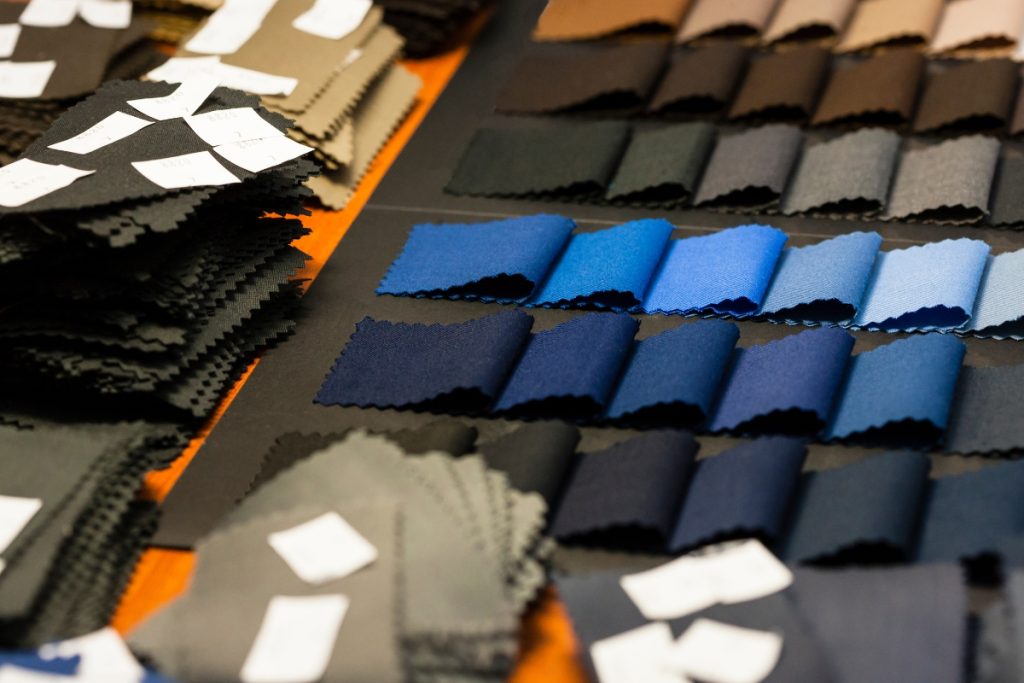
1. Spandex (Lycra/Elastane): The Foundation of Stretch
You cannot discuss yoga clothing without talking about spandex. Known generically as elastane, or by the popular brand name Lycra, spandex is a synthetic polyurethane fabric that is famous for its exceptional elasticity. Incredibly, spandex fibers can stretch up to 500% to 600% of their original length and instantly snap back to their precise starting point without sagging or bagging.
However, you will never see a yoga garment made of 100% spandex. On its own, it is too rubbery, non-breathable, and uncomfortable against the skin. Instead, spandex is the ultimate “mixer” fabric.
It is woven into other materials in small percentages—typically ranging from 8% to 25%—to give those base materials the stretch and recovery they desperately need. The higher the spandex percentage in a pair of yoga pants, the higher the compression level will be, making it fantastic for muscle support and sculpting silhouettes.
2. Nylon: Durability Meets Buttery Softness
Nylon is widely considered the gold standard for high-end, luxury yoga leggings. Originally invented as a synthetic replacement for silk, nylon is incredibly smooth, delightfully soft, and uniquely durable. When blended with spandex, nylon creates the “buttery soft” feel that premium activewear brands heavily market to their consumers.
Beyond its tactile appeal, nylon is exceptionally strong and highly resistant to abrasion. This means your nylon-blend yoga pants will survive friction against yoga mats, floors, and washing machines without easily pilling or tearing.
Furthermore, nylon dries relatively quickly and acts as a fantastic canvas for deep, vibrant solid dye colors. If you want a fabric that feels like a second skin, offers gentle compression, and remains remarkably breathable, a nylon-spandex blend is virtually impossible to beat.
3. Polyester: The Moisture-Wicking Champion
If nylon is the king of softness, polyester is the undisputed champion of moisture management. Polyester is a synthetic fiber created from petroleum-based plastics. Because the plastic fibers are inherently hydrophobic (water-repelling), polyester does not absorb sweat. Instead, it forcefully wicks moisture away from the body, pushing it to the exterior of the fabric to dry rapidly.
This makes polyester the absolute best choice for Hot Yoga, Bikram, or any intense Ashtanga practice where heavy sweating is guaranteed. Additionally, polyester is highly resistant to fading and shrinking, making it an incredibly low-maintenance fabric.
For activewear designers, polyester is also the primary choice for sublimation printing. If you want yoga leggings with intricate, multi-colored graphic patterns or floral prints, they are almost certainly printed on a polyester-blend fabric.
4. Bamboo: The Eco-Friendly, Antimicrobial Alternative
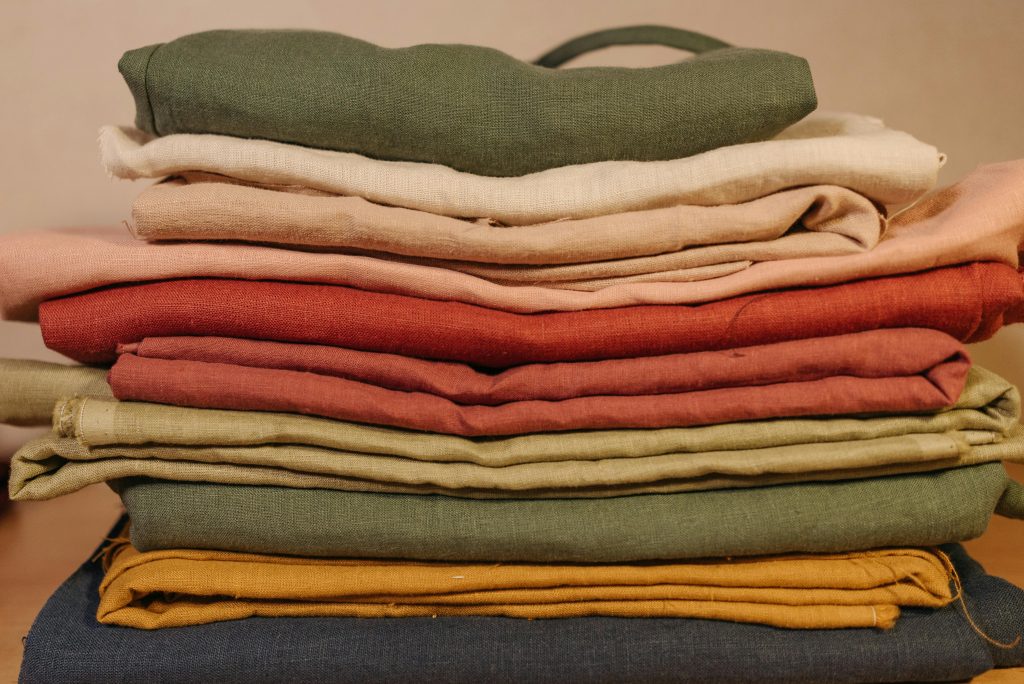
As the apparel industry shifts toward sustainable and eco-conscious manufacturing, bamboo has emerged as a premier material for yoga clothes. Bamboo fabric is created by processing the pulp of the bamboo plant into incredibly soft, rayon-like fibers. The resulting textile is astonishingly lightweight, breathable, and feels luxurious against the skin, rivaling even the softest cotton or modal.
What makes bamboo particularly incredible for yoga apparel is its natural properties. Bamboo is inherently antimicrobial and antibacterial, meaning it naturally resists the buildup of odor-causing bacteria.
You can sweat heavily in a bamboo yoga top, and it will remain smelling fresh much longer than a synthetic equivalent. Furthermore, it regulates temperature beautifully, keeping you cool in warm studios and insulated in cooler environments. It is highly recommended for sensitive skin and low-impact practices.
5. Cotton: Breathable Comfort for Restorative Flow
Historically, cotton was the original fabric of athletic wear. While it has largely been replaced by high-performance synthetics for intense workouts, cotton still holds a highly respected place in the modern yoga wardrobe. Cotton is an organic, natural fiber that is incredibly soft, breathable, and hypoallergenic.
When blended with a touch of spandex (often a 90/10 or 95/5 ratio), cotton-spandex blends are perfect for slow-paced, low-impact yoga styles like Yin, Restorative, or gentle Hatha. Because cotton is hydrophilic (water-absorbing), it will hold onto sweat, making it a poor choice for heated power yoga. However, for a relaxing stretch session, meditation, or simply lounging to and from the studio, the natural comfort and softness of cotton are highly desirable.
6. Modal: The Silky, Draping Luxury Fabric
Modal is a type of semi-synthetic rayon manufactured primarily from spun beech tree cellulose. It is considered an eco-friendly textile and is celebrated for its stunning drape, ultra-silky texture, and incredible lightness. Modal is actually significantly softer than standard cotton and is highly resistant to shrinking and fading.
In the realm of yoga clothes, modal is rarely used for tight compression leggings. Instead, it is the premier fabric of choice for flowing yoga tops, loose harem pants, wrap sweaters, and post-workout cover-ups.
Modal absorbs moisture well but releases it quickly, allowing for decent breathability. Its feather-light feel allows for complete, unrestricted movement, making you feel entirely unburdened as you transition through your poses.
How to Choose the Right Material Blend

Understanding these six materials empowers you to make informed decisions based on the specific type of yoga practice.
- For Hot Yoga and Power Vinyasa: Seek out Polyester-Spandex blends. You need maximum moisture-wicking capability and fast-drying traits to prevent the garments from becoming heavy and water-logged.
- For Everyday Flow and Studio Wear: Opt for Nylon-Spandex blends. The buttery softness, high opacity, and flattering compression make nylon ideal for standard studio temperatures and diverse movements.
- For Restorative Yoga and Meditation: Look toward Bamboo, Modal, or Cotton-Spandex blends. When you aren’t working up a massive sweat, you can prioritize the unmatched softness and breathability of natural and semi-synthetic fibers.
Ultimately, the “best” material relies heavily on finding the correct weight and weave. High-quality yoga leggings should generally utilize a fabric weight between 250 GSM and 350 GSM. This ensures the fabric is thick enough to remain opaque during deep stretches but light enough to allow for proper airflow.
Are you ready to source the highest quality athletic fabrics for your next activewear line? Whether you need buttery-soft nylon, high-performance moisture-wicking polyester, or the perfect eco-friendly bamboo blend, we have the expansive inventory to bring your vision to life. Contact Spandex Warehouse at 213.629.7416 today to speak with our textile experts, request premium fabric swatches, and elevate your yoga apparel collection to the next level.